Rubbish clearance North Finchley N12 Ballards Lane guide flats
Posted on 18/06/2026
If you live in a flat near Ballards Lane, you already know the small stuff can become the big stuff very quickly. A spare sofa in a hallway, builder's rubble in a rear alley, old furniture waiting in a second-floor landing, or just a few black bags that somehow turned into a full weekend project. This Rubbish clearance North Finchley N12 Ballards Lane guide flats article is here to make the process simpler, safer, and less of a faff.
In plain English, flat clearance in this part of North Finchley is about removing unwanted items efficiently while respecting access issues, neighbours, time restrictions, and the practical realities of London living. You will find how it works, what to expect, what to avoid, and how to choose the right approach for your building, budget, and timetable.
For broader service context, you may also want to look at our services overview and the page on your rubbish removal needs when you are comparing what type of clearance is actually right for you.
Why Rubbish clearance North Finchley N12 Ballards Lane guide flats Matters
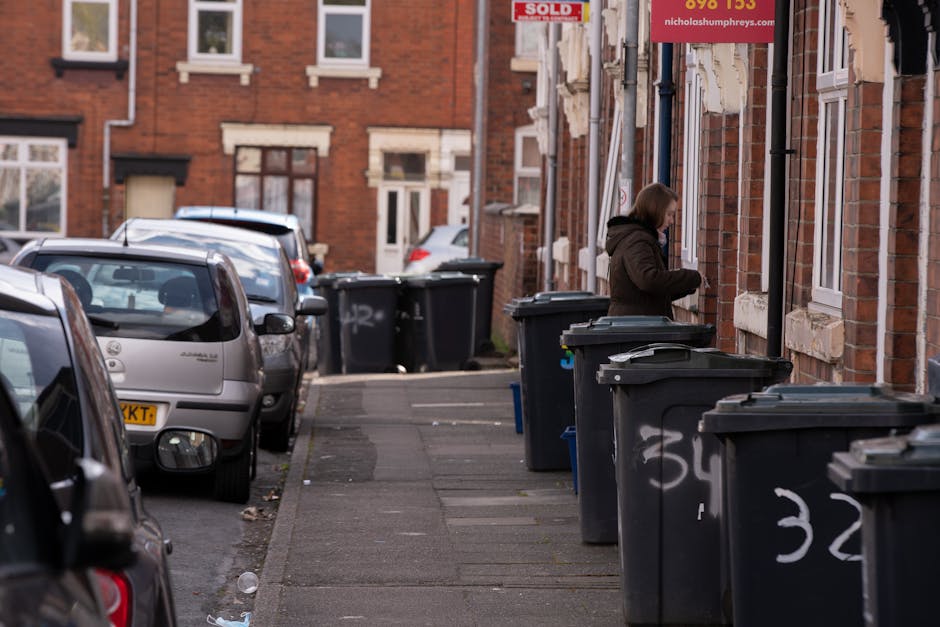
Flat clearance sounds straightforward until you factor in narrow stairwells, shared entrances, lift restrictions, parking pressure, and neighbours who would quite like to keep their corridor clear, thanks very much. Around Ballards Lane, that matters more than people expect. The area has a mix of residential blocks, maisonettes, converted houses, and busy roads, so even a small clearance can need more planning than a house move.
The core reason this topic matters is not just convenience. It is about making sure items leave the building without damage, disruption, or unnecessary cost. In a flat, one awkward wardrobe can scratch a wall, jam a landing, or slow the whole job down. A poorly planned clearance can also create tension with building management or residents. Nobody wants a pile of broken shelving on the pavement at 8am.
It also matters because flat clearances often happen at stressful moments. Maybe you are moving out, dealing with an inherited property, refurbishing a rental, or making space after years of accumulated bits and pieces. Those situations are already emotionally loaded. A smooth clearance takes some pressure off, which is worth a lot on its own.
For anyone living locally, the context is familiar. North Finchley is busy, practical, and constantly in motion. Local knowledge helps. If you want a wider view of the neighbourhood and how people live here day to day, the article on what locals say about living in Finchley gives useful background, especially if you are weighing up a move or clearance around a rental turn-around.
Expert summary: Flat clearance in North Finchley works best when access, timing, item type, and building rules are planned before anyone starts lifting. The simplest job is often the one that is prepared best.
How Rubbish clearance North Finchley N12 Ballards Lane guide flats Works
Most flat clearances follow a fairly predictable pattern, though the details change depending on the building. The basic idea is: assess what needs removing, decide whether the job is a few bulky items or a more complete clearance, arrange access, then remove and sort the waste responsibly.
1) Start with a realistic assessment
Walk through the flat slowly and separate items into broad groups: keep, donate, recycle, remove, and not sure yet. That "not sure yet" pile is where time disappears, so be disciplined. In our experience, it helps to make decisions room by room rather than trying to solve the whole property at once.
2) Check access and building conditions
Flats on Ballards Lane and nearby side streets may involve shared hallways, controlled entry systems, stair-only access, small lifts, or limited parking. These details affect labour time and vehicle positioning. A clearance that looks quick on paper can turn into a longer job if the team has to carry items down several flights one piece at a time.
3) Choose the right clearance method
Depending on volume and item type, you may only need a few bulky removals, a partial flat clearance, or a full removal of furniture and general waste. If you are dealing with post-refurbishment debris or mixed building waste, the specialist service for builders waste disposal in Finchley may be a better fit than a general household collection.
4) Sort and load safely
Good crews load with safety in mind, placing heavier items first and protecting communal areas as they go. That is the boring bit, but it is the bit that prevents chipped skirting boards and awkward complaints later. Truth be told, lifting in tight hallways is a little like a slow-moving puzzle; it rewards patience more than brute force.
5) Remove, recycle, and dispose
Once removed, waste should be sorted where possible for reuse, recycling, or disposal. If you are interested in how responsible disposal is handled, the page on recycling and sustainability explains the approach in more detail. That is useful because the least glamorous part of clearance is often the most important.
If the flat is being emptied after a sale or before marketing photographs, timing matters too. Sellers often want the place to feel light, open, and uncluttered. If that sounds like your situation, the article on selling homes in Finchley connects well with the practical side of preparation.
Key Benefits and Practical Advantages
A well-run flat clearance is not just about getting rid of stuff. It creates breathing room. And in a compact London flat, breathing room is gold.
- Less stress: You do not have to organise multiple trips, borrow a van, or recruit half your family for a lift day.
- Better access management: Tight stairways, lifts, and communal areas are handled with more care.
- Faster turnaround: Helpful if you are moving, letting, refurbishing, or preparing for estate agent photos.
- Improved safety: Heavy or awkward items are handled properly rather than dragged down stairs.
- Cleaner end result: You are left with a proper clear space rather than a half-finished pile of bags by the door.
- More responsible disposal: Reusable items and recyclable materials are easier to separate when the job is planned well.
There is also the mental benefit, which people often underestimate. A cluttered flat can feel noisier than it looks. You hear the echo of every box, every bag, every half-open cupboard. Once it is gone, the whole place can feel bigger, calmer, and oddly lighter. That's not poetic fluff, by the way; it is what many people notice the moment the last bulky item leaves the hallway.
Who This Is For and When It Makes Sense
This kind of service suits more people than you might think. It is not only for major life events or huge properties. Often, the decision is driven by practical limits, not a dramatic clear-out.
You may need flat clearance if you are:
- moving out of a rented flat and need the place emptied quickly
- helping a relative clear a property after a change in circumstances
- preparing a flat for sale or letting
- clearing a spare room, loft storage, or balcony clutter
- disposing of furniture after a refurbishment
- handling mixed waste after minor works
- making space before new tenants arrive
In short, if the job is bigger than a bin collection but smaller than a full demolition scenario, flat clearance is probably the right lane. If you are living or investing locally, it can also help to understand the property context. The article on Finchley real estate and making savvy investments is useful if you are thinking about value, turnover, and presentation.
And if your day-to-day routine is shaped by transport links or you need clearance to fit around commutes, you may find the perspective in rubbish removal near Finchley Central Station helpful too. It is the same local reality: busy streets, limited time, and the need to get things done without drama.
Step-by-Step Guidance
If you want a smoother result, use a simple process. Nothing fancy. Just a clear order of operations.
- Make a room-by-room inventory. List the major items first: beds, wardrobes, mattresses, tables, white goods, loose bags, and any odd bulky bits.
- Identify anything hazardous or special. Paint, chemicals, batteries, old electronics, and sharp materials need extra care. They should never be mixed casually with general rubbish.
- Measure access points. Check door widths, lift sizes, stair turns, and any parking constraints. A fridge may fit the flat but still fail the hallway test. It happens.
- Decide what stays. Keep a small, final pile of essentials so nothing useful disappears in the rush.
- Group items by type. Furniture, bagged waste, metal, wood, textiles, and electricals are easier to deal with when separated.
- Book the right level of service. Match the clearance to the actual volume, not the hopeful estimate you make while standing in the kitchen.
- Prepare the route. Clear corridors and protect anything fragile or valuable in shared areas.
- Confirm timing. Morning or midweek slots are often easier in busy residential areas, especially where parking is tighter later in the day.
- Do a final walkthrough. Check cupboards, balcony corners, under beds, and behind doors. The last forgotten item is always the one that annoys you most.
If the flat also has a small outdoor area or overgrown patio, you might need an additional approach for green waste. The page on garden waste removal in Finchley is useful where branches, bags of soil, or old planters are part of the job.
Expert Tips for Better Results
Good clearance is rarely about speed alone. It is about reducing friction. A few practical habits make a big difference.
- Take photos before you start: Especially useful if multiple people are involved or if you want an accurate quote.
- Separate sentimental items early: This sounds obvious, but emotional clutter slows people down more than physical clutter.
- Be honest about access: If there is no lift, say so. If parking is tight, say so. That saves everyone grief.
- Keep communal spaces clear: Neighbours remember hallway chaos. A tidy process is always better.
- Ask what can be recycled: Small decisions add up, particularly with metals, timber, card, and electrical items.
- Plan around the building rhythm: Some blocks are quiet early, others are not. You will know the vibe if you live there. If not, ask.
A slightly overlooked tip: do not leave sorting to the end. If you pile everything into one room and "deal with it later," later becomes tomorrow, then next week, and somehow the flat still feels half-packed. We have all seen that film before.
For reassurance around standards and secure handling, it is worth reviewing pages such as insurance and safety and payment and security. They are practical reads when you want clarity before booking.

Common Mistakes to Avoid
Some clearance headaches are completely avoidable. A bit of planning saves a lot of inconvenience.
- Underestimating volume: A flat can look deceptively small, but cupboards and storage nooks add up.
- Forgetting access restrictions: No lift, timed entry, or tight parking can turn a simple task into a slower one.
- Mixing all waste together: That can make recycling harder and the whole job less efficient.
- Leaving it until moving day: Then you are clearing at the same time as packing, cleaning, and probably trying to find a kettle.
- Assuming every item is standard rubbish: Electricals, paint, and some bulky waste need special handling.
- Ignoring building rules: Shared properties often have expectations around noise, lifts, and disposal routes.
One common mistake is focusing on the item list and forgetting the human side. If there are neighbours on a narrow landing or a concierge who wants notice, being considerate makes the whole experience less tense. Small courtesies matter. Always have.
Tools, Resources and Recommendations
You do not need a mountain of equipment for a flat clearance, but a few sensible tools help if you are doing some of the prep yourself.
- Heavy-duty bags: Better than cheap bin liners that split on the stairs.
- Label tape or marker pens: Useful for keep/donate/remove sorting.
- Gloves: Especially if you are moving old items, dusty storage boxes, or mixed waste.
- Blankets or protective covers: Helpful for door frames and shared corridor protection.
- Trolley or sack truck: Useful for boxed items where lift access is available.
- Basic measuring tape: Handy for awkward furniture and tight exits.
For people comparing what kind of service they need, the best starting point is often the broad explanation on waste removal in Finchley because it helps separate general waste handling from more specific clearance types.
If you are sorting office furniture, documents, or workspace clutter rather than a home flat, the dedicated office clearance Finchley page may be more relevant. And if you are clearing a whole property rather than just one flat, look at house clearance in Finchley for a better fit. It saves a lot of guesswork.
Law, Compliance, Standards, or Best Practice
With rubbish clearance, the safest approach is to follow accepted UK waste-handling practice and make sure waste is transferred to a properly managed disposal route. You do not need to be an expert in every rule, but you should be careful about who removes your waste, how items are handled, and whether special items are separated correctly.
In practical terms, good best practice usually means:
- using a legitimate waste carrier
- keeping special items apart from general household waste
- avoiding fly-tipping or informal disposal arrangements
- making sure communal areas are protected during removal
- asking for clear pricing and service details before the job starts
If a flat contains electricals, sharp materials, or anything likely to be hazardous, more caution is sensible. The same applies where there are communal access rules in managed buildings. A tidy service is not just nicer; it is safer and less likely to create problems later.
For reassurance around how the company presents its wider standards, the pages on modern slavery statement, terms and conditions, and privacy policy are worth a look. Not because they are thrilling reading, obviously, but because they help show how the business works behind the scenes.
Options, Methods, or Comparison Table
Choosing the right clearance method depends on volume, access, urgency, and how much sorting you want to do yourself. Here is a simple comparison.
| Option | Best for | Pros | Potential drawbacks |
|---|---|---|---|
| Self-clearance | Very small amounts, a few bags, one or two light items | Can be cheaper if you already have transport | Time-consuming, physically awkward, parking and loading hassle |
| Bulky item removal | Sofas, wardrobes, mattresses, appliances | Good for single large pieces, straightforward | Not ideal for mixed waste or full-flat jobs |
| Partial flat clearance | One room, storage areas, or selected items | Flexible, avoids unnecessary removal | May still need careful sorting beforehand |
| Full flat clearance | End-of-tenancy, sale prep, inherited property, complete emptying | Fastest overall result, less stress | Usually the biggest job and needs the most planning |
There is no single "best" option. The right choice is the one that fits the property and the timing. A top-floor flat with no lift is not the place for heroic DIY optimism. Ask me how we know.
Case Study or Real-World Example
Here is a realistic local-style example. A one-bedroom flat near Ballards Lane needed clearing before the end of a tenancy. The property had a sofa, a broken chest of drawers, a bed frame, assorted kitchen clutter, two bags of old books, and some packaging from a recent online shopping spree that had clearly gotten out of hand. The building had a narrow stairwell and no convenient parking directly outside.
The sensible approach was to sort items into keep, remove, and recycle piles first, then clear the larger items before collecting the bags. Protective care was used on the hallway corners, and the route was planned so the landing stayed uncluttered. Nothing dramatic happened, which is usually a sign the job was done well. A few hours later, the flat looked spacious enough to photograph properly, and the tenant could hand it back without that horrible last-minute scramble.
What made the difference was not brute force. It was preparation. The items were grouped, the access was checked, and the job had a clear order. That is the sort of boring excellence people love after the fact.
Practical Checklist
Use this before the clearance day. It keeps things simple.
- List everything that needs removing
- Separate keep, donate, recycle, and remove items
- Check lift access, stair access, and entry codes
- Confirm parking or loading arrangements
- Put aside hazardous or special waste
- Protect floors and communal corners if needed
- Tell neighbours or building management if relevant
- Keep essentials, keys, and documents safe
- Take final photos if you need a record
- Do one last room-and-cupboard check before the team leaves
If you are still comparing the right type of service, you can also review the company background on the about us page. Sometimes a little context makes booking feel less like a guess and more like a decision.
Conclusion
Flat clearance in North Finchley, especially around Ballards Lane, is not just about hauling things away. It is about handling space, access, timing, and the realities of shared living with a bit of care. When you plan properly, the job feels lighter, finishes faster, and causes fewer headaches for everyone involved.
The best results come from being honest about what needs clearing, being realistic about access, and choosing the right method for the property. That is especially true in flats, where one small oversight can create a disproportionate amount of hassle. A calm, organised process is worth far more than rushing and hoping for the best.
Get a free quote today and see how much you can save.
And if you are standing in your flat right now, looking at one too many bags by the door, take a breath. It is all manageable. One sensible step at a time, that's usually enough.

 Tipper Van - Rubbish Disposal and Rubbish Clearance Prices in Finchley, N2
 Luton Van - Rubbish Disposal and Rubbish Clearance Prices in Finchley, N2


